







Search Results for: French press extraction
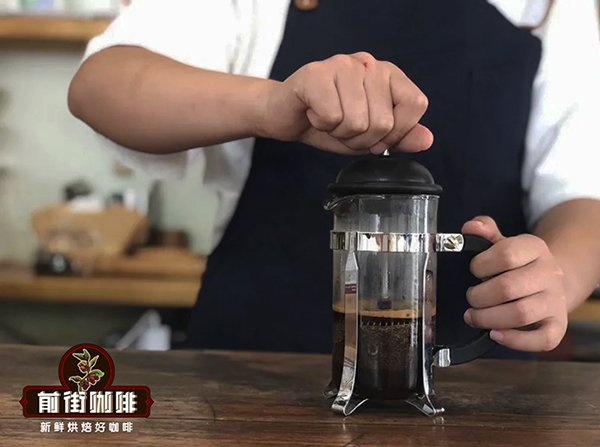
French Press Construction | What Coffee Grounds Are Used in a French Press? How to Brew Coffee with a French Press? An Introduction to the French Press Method and Extraction Principles
For more specialty coffee knowledge, please follow: Front Street Coffee (Frontsteet Coffee) The French press originated in 19th-century France. In English it is called French Press, and in Chinese it can also be called "法式压滤壶". Although the exact time of its appearance is unclear, in 1852, the French [more…]

French Press Coffee Bean-to-Water Ratio|What is the extraction principle behind brewing coffee with a French press? Which coffee beans are suitable for brewing with a French press?
For more specialty coffee knowledge, please follow: Front Street Coffee (Frontsteet Coffee) The French press originated in 19th-century France; in English it is called French Press, and in Chinese it can also be called "French press pot." Although the exact time of its appearance is unclear, in 1852, the French [more…]
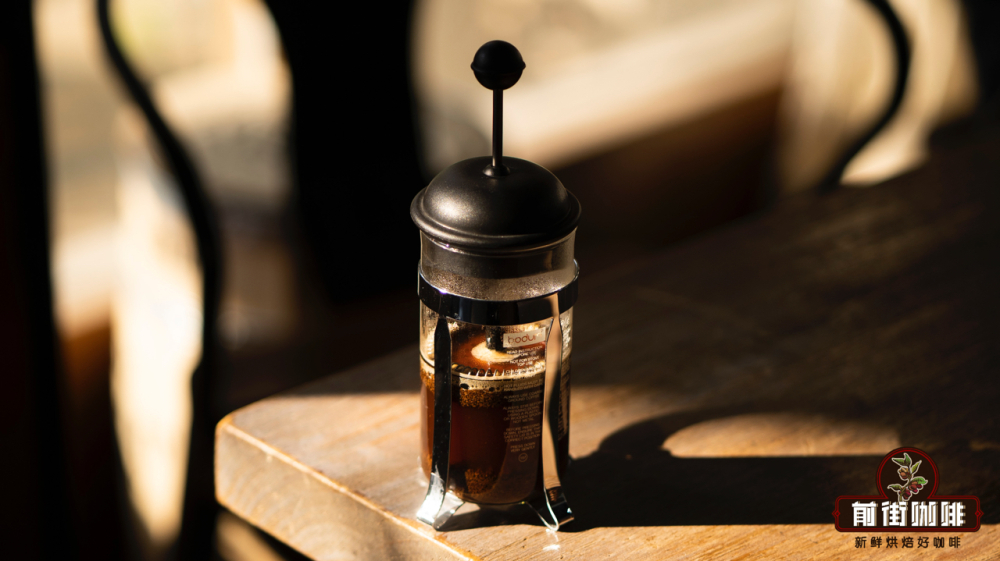
French Press Recommendations | Which Brand of French Press Is Good? Is a French Press Suitable for Coffee Beginners? An Introduction to the History, Origins, and Extraction Principles of the French Press
For more specialty coffee knowledge, please follow: Front Street Coffee (Frontsteet Coffee). WBC World Barista Championship competitor Suzuki Itsuki once said that the advantage of the French press is that its brewing principle is very simple, anyone can master it, and the coffee flavor will not vary due to different brewing techniques. [more…]
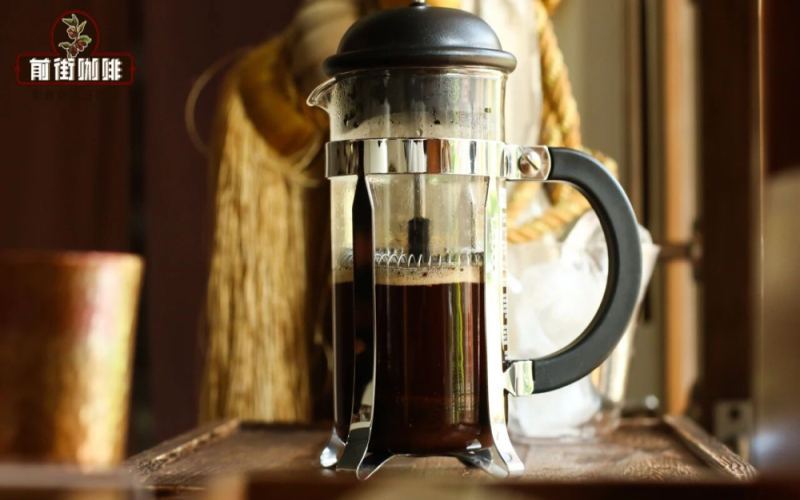
The Complete Guide to French Press Brewing: Coffee-to-Water Ratio, Grind Size, Water Temperature, Steep Time, and Iced Coffee Method
The French press is a classic immersion coffee brewing device originating from 19th-century France. It has a simple structure and is easy to operate, yet it can extract rich, well-balanced coffee. Starting from the four core parameters—coffee-to-water ratio, grind size, water temperature, and steeping time—this article breaks down the key points of French press brewing in detail, and further introduces its many uses as a cupping tool, tea maker, and even milk frother. In addition, it shares a complete method for making iced coffee with a French press, along with coffee bean recommendations suitable for the French press and cleaning and maintenance tips, helping you fully master how to use a French press. [more…]
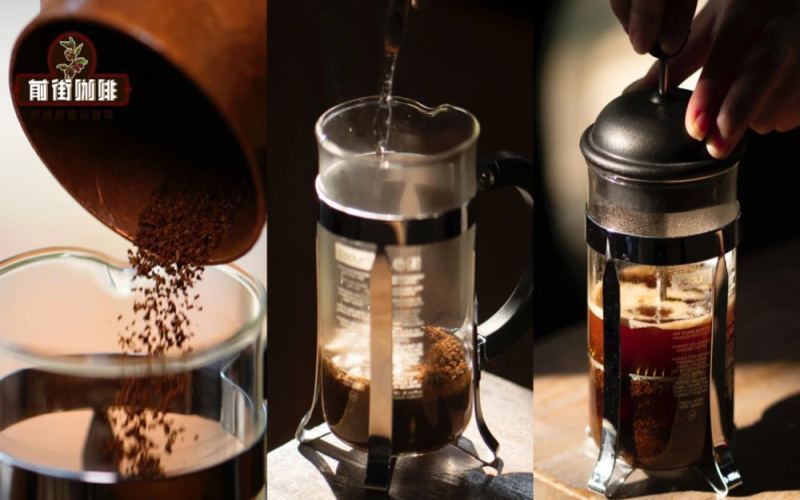
Can French Press Coffee Be Reused for Multiple Brews? A Detailed Explanation of French Press Extraction Principles and Standard Operating Procedure
The French press, with its minimalist operation and extraction results close to cupping, has become the top choice for many coffee enthusiasts starting out. It fully releases coffee oils and aromas while also placing higher demands on bean quality and freshness. This article begins with the origins and structure of the French press, explains why it is better suited to medium-dark roasted coffee, and gradually breaks down the complete French press brewing process—from coffee-to-water ratio, water temperature, and grind size to pouring, stirring, steeping, and pressing—while also answering the question of the oil content in French press coffee. The article also specifically recommends beans suitable for the French press, such as Front Street Strawberry Candy, Front Street Bird of Paradise, and Front Street PWN Golden Mandheling, helping readers easily reproduce a stable and delicious cup of French press coffee. [more…]
Is a French Press Worth Buying? Pros and Cons, Extraction Principles and Price Analysis, with Front Street Coffee's Practical Brewing Guide
For coffee beginners who have not yet mastered pour-over techniques, Front Street Coffee usually first recommends the French press—simple to operate and easy to get started with. Why can the French press win over coffee lovers who don't know how to do pour-over? This article will start with the origin and extraction principles of the French press, analyze its differences from pour-over coffee in taste and flavor, explain whether long steeping will extract undesirable flavors, and provide key parameters such as grind size, water temperature, and steeping time. In addition, taking the Costa Rica Musician Series Mozart coffee beans selected by Front Street as an example, it will fully demonstrate the French press brewing process and flavor performance, helping you judge whether the French press is expensive and whether it is worth buying. [more…]
How to choose coffee beans for a French press? From extraction principles to practical operation, a detailed explanation of whether a French press is suitable for beginners.
The French press is an immersion-style coffee brewing device with an extremely low barrier to entry, making it ideal for coffee enthusiasts who have not yet mastered pour-over techniques. It filters through a metal mesh, which retains more coffee oils, delivering a fuller body than pour-over while showcasing the flavors of the coffee beans themselves to the greatest extent. This article starts with the origins and extraction principles of the French press, analyzes reasonable parameters for its steeping time, water temperature, and grind size, explains the taste characteristics of French press coffee, and uses Costa Rica Mozart coffee beans as an example to demonstrate the complete French press process and flavor performance, helping readers fully understand what kinds of coffee beans suit the French press and what to pay attention to when brewing. [more…]
French Press Buying Guide: Extraction Principles, Brand Comparison, and Analysis of Cost-Effective Models
The French press has become a popular choice for home coffee brewing because it is easy to operate and requires no complex pouring technique. WBC World Barista Championship competitor Suzuki Itsuki once pointed out that the French press's standout advantage lies in its simple principle, easy learning curve, and freedom from paper-filter interference, allowing it to present the true taste of coffee directly. In this article, Front Street Coffee systematically sorts out the structure and extraction logic of the French press, explains in detail the four major variables of coffee-to-water ratio, grind size, water temperature, and steeping time, and shares recommended parameters for medium-light and medium-dark roasted beans. It also traces the historical development of the French press from the 1852 French patent to its commercialization by Bodum, recommends a bean list suited to it, including Front Street Brazil Queen's Estate, Honduras Sherry Barrel, Jamaica Blue Mountain No. 1, and Indonesia Golden Mandheling, and finally reminds readers of the key points for daily disassembly, cleaning, and maintenance, helping you choose a French press that is easy to use and not expensive. [more…]
French Press Recommendations | What is the historical origin of the French Press? Which brand of French Press is more affordable and better value?
WBC World Barista Championship competitor Suzuki Shiki once said that the advantage of a French press is its very simple brewing principle—anyone can use it, and differences in brewing technique won't cause variations in coffee flavor. A French press can very directly express the coffee's own flavors, and at the same time is not affected by filter paper altering the coffee's flavor. [more…]
French Press Usage Tips | How Many Coffee Beans to Use for French Press Coffee? How Much Coffee Grounds to Put in a French Press? Does French Press Coffee Have a Lot of Oil?
Coffee is becoming more and more popular, and there are all kinds of brewing methods. However, when you're busy, you might feel you don't have time for a pour-over, and even an espresso seems to take too long. In that case, using a lazy person's pot to make a cup of coffee might be a pretty good choice! French press coffee and pour-over coffee [more…]

What Coffee Grounds Are Suitable for a French Press? Detailed Explanation of Hot vs. Cold Brew Differences and Brewing Parameters
The French Press was invented in France in the 19th century, and thanks to its simple structure and easy operation, it remains a daily choice for many coffee lovers today. It uses immersion extraction, requiring only three steps to brew: add grounds, pour water, and press the plunger. But to consistently produce a good cup of coffee, the coffee-to-water ratio, grind size, water temperature, and steeping time all need to be carefully controlled. Drawing on extensive brewing experience, Front Street Coffee offers coffee bean recommendations and parameter suggestions suited to the French Press, and extends this into a complete method for making iced coffee with a French Press. In addition, the French Press can also serve as a cupping tool, a tea-making vessel, or even a milk frother, and there are finer points to cleaning and disassembling it. [more…]
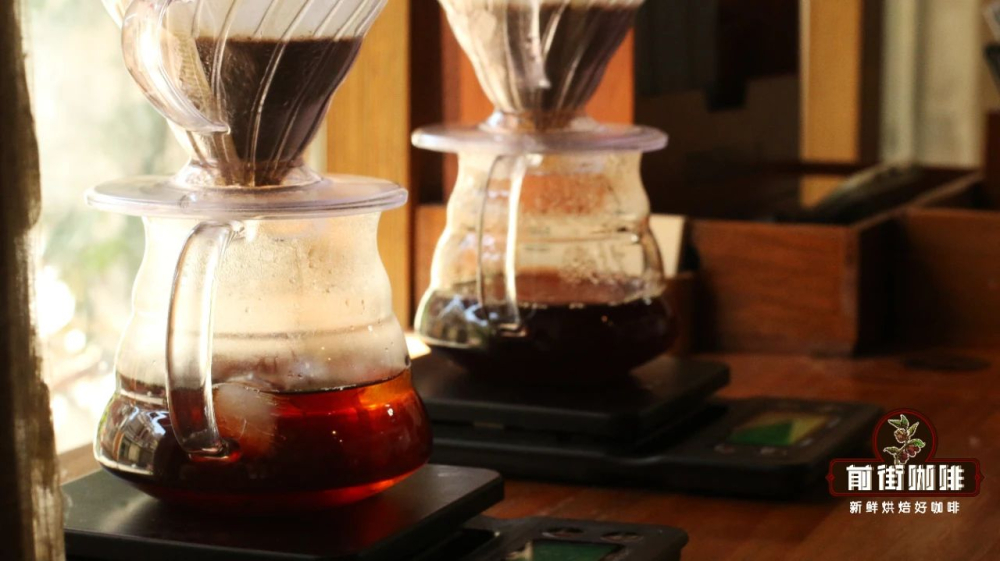
French Press Coffee | What coffee beans are suitable for French press brewing? Does French press coffee have a lot of oils? How much coffee grounds, water, water temperature, and steeping time for a French press?
For more specialty coffee knowledge, please follow: Front Street Coffee (Frontsteet Coffee). Coffee is becoming more and more popular, and there are all kinds of brewing methods. However, when you're busy, you might feel you don't have time for a pour-over, and if you want an espresso, it seems you don't have much time either. So in this [more…]
What coffee grounds are suitable for a French press? A complete guide from parameters to iced coffee and cleaning
Since the French press was born in 19th-century France, its simple structure and immersion brewing method have made it a daily choice for many coffee lovers. But if you want to consistently produce a good cup with it, there are finer points to how the coffee grounds should be chosen, how coarse the grind should be, how hot the water should be, and how long it should steep. This article starts from Front Street Coffee's hands-on experience, sorting out the French press's coffee-to-water ratio, grind size, water temperature, and time parameters, and extends to uses such as cupping, tea brewing, and milk frothing. It also includes a French press iced coffee extraction plan and disassembly and cleaning methods to help you use this simple device more thoroughly. [more…]
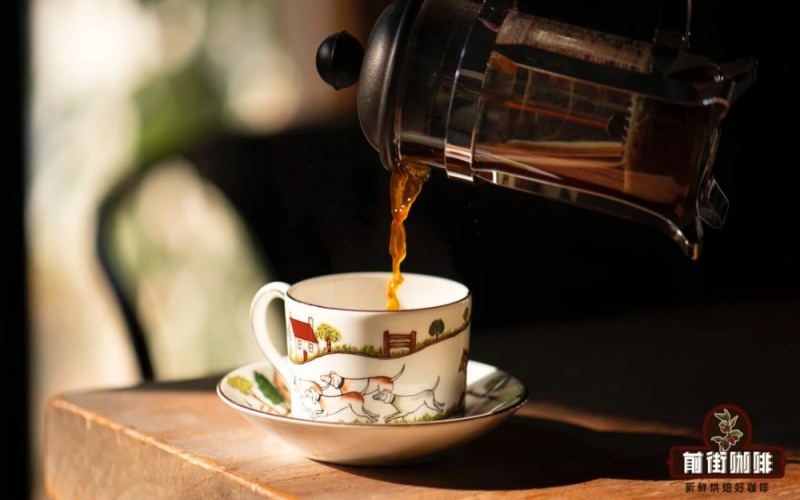
Origins of the French Press | How to Make Coffee with a French Press? Which Single-Origin Coffee Beans Are Suitable for the French Press? French Press Coffee Brewing Parameters
For more specialty coffee knowledge, please follow: Front Street Coffee (Frontsteet Coffee) The French press is one of the simplest coffee brewing devices to operate and is quite popular in Europe and America, but most people in China know it as "something used to brew tea [more…]
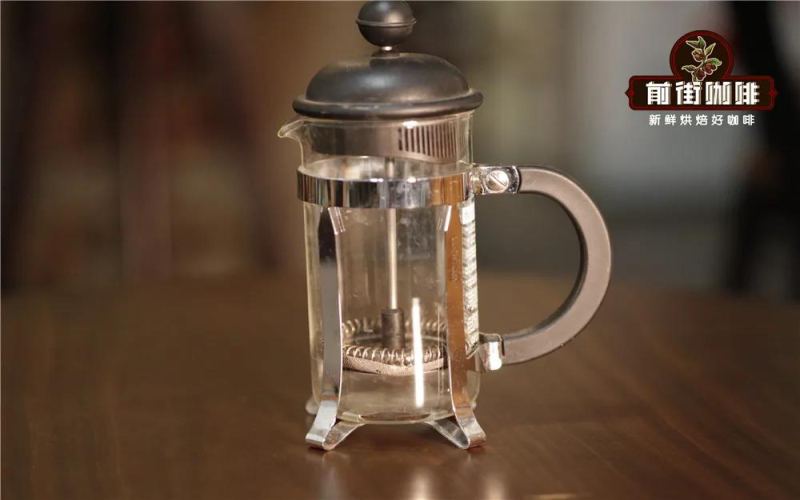
The Complete Guide to Brewing Coffee with a French Press: A Detailed Explanation of Grind Size, Water Temperature, Coffee-to-Water Ratio, and Steeping Time
The French press is easy to operate, yet it best showcases the true flavor of coffee beans, earning it the reputation of the "lazy person's brewing method." But to brew a good cup of French press coffee, grind size, water temperature, water ratio, and steeping time all need to be precisely controlled. Starting from Front Street Coffee's practical standards, this article explains in detail the French press's structural principles and extraction logic, provides the grind passing rate, recommended water temperature, and 4-minute steeping plan for medium-light and medium-dark roasted beans, and explains why balanced beans are more suitable for the French press than beans with rich layers. [more…]
How do you use a French press correctly? A complete analysis from Front Street Coffee, from extraction principles to coffee bean selection
The French press, with its simple operation and easy-to-master nature, has become the go-to device for many pour-over beginners. It was born in France around 1850, consisting of a heat-resistant glass carafe and a metal plunger with a mesh filter. It was originally used for brewing tea, but later coffee enthusiasts discovered it could produce a rich, full-bodied cup. The French press uses immersion extraction, and the core factors affecting flavor are only grind size, water temperature, and steeping time, with minimal human interference, making it the best way to showcase the true character of coffee beans. In this article, Front Street Coffee will provide a complete guide to the correct use of a French press, from extraction principles and flavor characteristics to practical operation, and answer what coffee beans pair best with a French press, helping you easily make a rich, delicious cup of coffee. [more…]
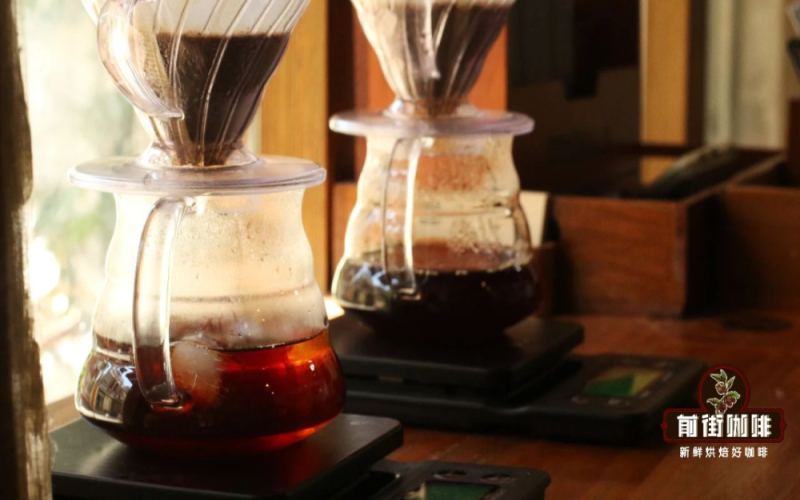
A Comprehensive Analysis of the French Press: From Extraction Principles to Brewing Steps and Crema Performance
The French press, also known as a French filter press or tea maker, is nicknamed the "lazy person's pot" due to its simple operation. It originated in France around 1850. It consists of a heat-resistant glass body and a metal filter with a plunger, and was initially mostly used for brewing black tea. The French press fully preserves the coffee's flavor and oils, offering a smooth, sweet, and rich mouthfeel. Its extraction rate is close to that of cupping, and it is the easiest method to replicate the same flavor, making it very suitable for beginners. However, it has higher requirements for coffee bean quality and freshness, and overly fine grinding can easily lead to over-extraction. This article will detail the pros and cons of the French press, the differences in oils compared to espresso and moka pot, and include the complete operating steps from Front Street Coffee. [more…]
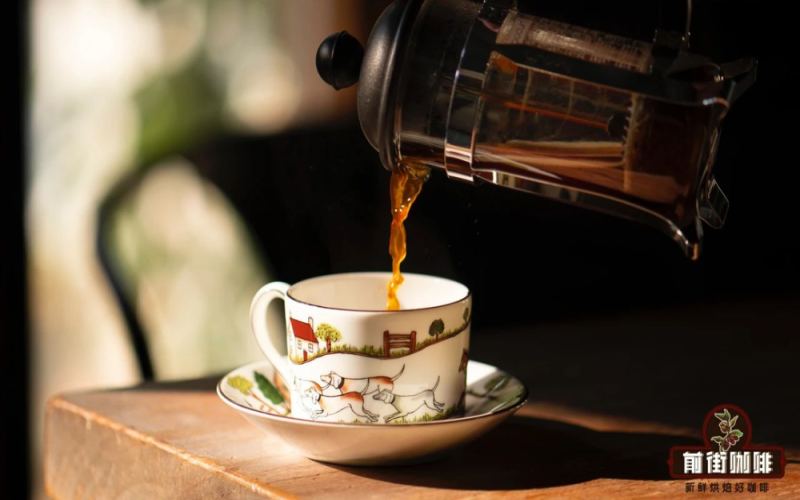
French Press Coffee | What coffee-to-water ratio and water temperature are suitable for making French press coffee? What are the steps for immersion brewing black coffee with a French press?
"What coffee brewing equipment is suitable for coffee novices who don't know how to do pour-over?" Faced with this question, Front Street Coffee first recommends the French press, which is simple to operate and convenient. What exactly is the charm of the French press that can win over coffee lovers who don't know how to do pour-over? French press [more…]
French Press Coffee Brewing: Coffee-to-Water Ratio, Water Temperature Control, and Complete Step-by-Step Guide
For coffee beginners who have not yet mastered pour-over techniques, which brewing tool is the most friendly? The top answer from Front Street Coffee is the French press—it has a low barrier to entry and is easy to use. This article will systematically explain the extraction principles of the French press, the flavor characteristics brought by immersion extraction, and the specific coffee-to-water ratio, water temperature, grind size, and operating steps. It will also use the Costa Rica Musician Series Mozart coffee beans selected by Front Street as an example to demonstrate the complete brewing parameters and flavor performance, helping coffee enthusiasts easily make a rich and delicious cup of French press coffee. [more…]
How to Use a French Press Correctly? From Extraction Principles to a Practical Guide with Costa Rica Mozart
For coffee beginners who have not yet mastered pour-over techniques, which brewing tool is the easiest to get started with? In its daily recommendations, Front Street Coffee often puts the French press first—it has a simple structure and a low operational threshold, yet it can produce a full-bodied cup of coffee. This article explains the origins of the French press, its immersion extraction mechanism, the flavor differences between it and pour-over coffee, and the specific operating process. It also uses the Costa Rica Musician Series Mozart coffee beans selected by Front Street as an example, providing complete parameters for coffee dose, coffee-to-water ratio, grind size, water temperature, and steeping time, helping readers quickly master this seemingly plain yet detail-rich device. [more…]